Just How to Find Senior Living Near Me That Focuses On Dementia Care
Business Name: BeeHive Homes of Alamogordo
Address: 1106 San Cristo St, Alamogordo, NM 88310
Phone: (575) 215-3900
BeeHive Homes of Alamogordo
Beehive Homes assisted living care is ideal for those who value their independence but require help with some of the activities of daily living. Residents enjoy 24-hour support, private bedrooms with baths, medication monitoring, home-cooked meals, housekeeping and laundry services, social activities and outings, and daily physical and mental exercise opportunities. Beehive Homes memory care services accommodates the growing number of seniors affected by memory loss and dementia. Beehive Homes offers respite (short-term) care for your loved one should the need arise. Whether help is needed after a surgery or illness, for vacation coverage, or just a break from the routine, respite care provides you peace of mind for any length of stay.
1106 San Cristo St, Alamogordo, NM 88310
Business Hours
Searching for senior living near me can really feel straightforward in the beginning, until dementia gets in the photo. Then the question adjustments. You are no more just comparing houses, eating rooms, and activity schedules. You are searching for a location that can take care of memory loss, altering behavior, safety concerns, medicine routines, household communication, and the psychological weight that comes with every one of it.
That is a different type of search, and it is worthy of a various sort of attention.
Families commonly begin by inputting memory care near me right into a search bar and wishing the initial couple of outcomes will inform the whole story. Occasionally they get fortunate. Regularly, they find themselves checking out glossy brochures that claim the right points without describing exactly how care really deals with a Tuesday afternoon when somebody fears, confused, or trying to leave the building. The best communities for dementia care typically do not simply promote memory care. They can discuss it clearly, reveal it at work, and talk truthfully regarding what they succeed and where their restrictions are.
If you remain in that search currently, you are most likely balancing love, urgency, and exhaustion. You may be assisting a parent, partner, or various other elder care member of the family who still has actually great days blended with more difficult ones. You might additionally be attempting to recognize the distinction in between assisted living, memory care, proficient nursing, and respite care without ending up being a full time researcher. That is where a functional method helps.
Start by naming the level of assistance that is actually needed
Many family members begin with area, that makes sense. Distance matters. You want to be able to visit, bring clothing, attend care meetings, and respond rapidly if something changes. However location alone is not enough. Before you contrast neighborhoods, get honest about what the person requires today, not what they required six months ago or what everyone wished they would certainly still manage.
Dementia care is not one-size-fits-all. A person that is forgetful and requires assist with meals and reminders may still succeed in assisted living with strong supervision. Someone who roams, becomes disoriented in unknown areas, or requires help with almost every component of the day will generally require a specialized memory care community. If there are constant drops, intricate medicine requirements, ingesting worries, or advanced clinical concerns, you might require a greater level of care than memory care alone can offer.
This distinction matters because some communities are excellent at companionship and routine however are not furnished for the complete range of actions dementia can bring. Others are built particularly for it. Hallways are easier to browse, departures are safeguarded, team are trained to redirect rather than challenge, and every day life is structured to decrease stress. That framework can make a massive difference for both safety and dignity.
A good way to consider it is this: if the individual can still work with pointers and limited oversight, senior care or assisted living might be enough in the meantime. If confusion is producing real risks, memory care is entitled to severe consideration.
What makes dementia-focused senior living different
A community that concentrates on dementia care ought to really feel different the moment you stroll in. Not since it looks clinical, but because it feels calmer and even more intentional.
Hallways are generally created to avoid dead ends and unnecessary complication. Usual spaces have a tendency to be noticeable and convenient. Team member frequently welcome locals by name and make use of straightforward, calming language. Activities are less about keeping individuals active and much more about offering the mind and body familiar rhythms. Music, folding towels, sorting things, gentle workout, and repeated jobs commonly work better than loud or difficult group events.
The difference shows up in the details. Meals might be offered at constant times, with hints and help integrated in. Bathrooms may have far better signage. Lighting may decrease trailing that can cause stress and anxiety. Some neighborhoods make use of shade cues or memory boxes outside resident spaces. Those are not decorative touches. They are tools that aid maintain freedom longer.
There is also a major difference in staffing style. As a whole senior living, staff may sustain independence and light day-to-day aid. In dementia care, team requirement to recognize adjustments in state of mind, agitation, rest patterns, and complication, occasionally before families observe anything. They have to recognize just how to come close to somebody that is scared, recurring, dubious, or immune to care without intensifying the minute. That takes training, perseverance, and consistency.
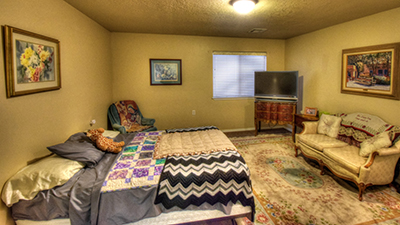

When you tour, ask the length of time staff members remain. High turn over can wear down count on quickly, specifically with memory loss. Locals frequently count on experience greater than they can discuss. A complete stranger aiding with bathing or dishes can feel threatening. An acquainted face can make the difference between a relaxed morning and a challenging one.
Finding the ideal location near you without obtaining lost in marketing
A search for memory care near me can create dozens of alternatives within a couple of miles. The challenge is filtering what sounds sleek from what in fact fits.
Start with the functional concerns. Just how far is the neighborhood from family? Is the drive realistic on weekdays and weekends? Can somebody visit after work, or on uncommon day of rests? If the individual has a medical professional, specialist, or relied on pharmacologist nearby, can the new area support those relationships? A place can be beautiful and still be the wrong fit if it adds way too much logistical strain.
Then take a look at the physical community. Is the building near healthcare facilities, immediate care, and pharmacies? Is the surrounding area simple to browse for visitors? If you are taking care of a person that may need constant visits, the location should reduce, not enhance, your load.
Word of mouth still matters a good deal. Ask local care supervisors, elder care attorneys, medical facility discharge planners, and even pharmacists which neighborhoods have an online reputation for taking dementia seriously. They typically understand which positions respond well to altering requirements and which ones battle when citizens decrease. On-line evaluations can help, however they are just one component of the picture. A couple of miserable reviews might show a challenging period. A pattern of issues about interaction, staffing, or missed care is more difficult to dismiss.
If possible, visit greater than when. Tour on a weekday and, if you can handle it, return at a various time of day. A neighborhood that looks calmness at 10 a.m. Can feel extremely various throughout supper or late afternoon, which is when sundowning and uneasyness often reveal up.
The concerns that disclose exactly how a community really operates
A pamphlet can tell you almost nothing regarding every day life. Inquiries can tell you a whole lot, especially if you listen for clear responses as opposed to sleek ones.
You do not require to interrogate personnel, yet you do need to ask straight questions concerning dementia care, staffing, and everyday regimens. If they can address plainly, that is a good indicator. If they dodge, generalize, or keep returning to advertising and marketing language, take note.
Here are a few questions that have a tendency to open helpful conversations:
- How do you support homeowners who stray, resist care, or end up being nervous in the evening?
- What dementia-specific training do caregivers get, and exactly how usually is it refreshed?
- How do you determine when a resident needs a higher level of care?
- What does a regular day appear like for somebody in memory care?
- How do family members remain informed when a resident's behavior or health changes?
The ideal solutions are specific. You desire instances. You want to listen to exactly how an employee reacts when a person can not remember their area, rejects a shower, or is looking for a partner that has died. A thoughtful neighborhood can clarify exactly how they redirect, comfort, and document what happened so patterns can be addressed.
Also ask about drug monitoring. Even in an encouraging setting, this component of care can be complicated. Some residents require timing accuracy, others need observation for side effects, and some drugs connect with behavior or hunger in ways families do not anticipate. A neighborhood that focuses on dementia care should have a clear procedure for drug administration and communication with outdoors providers.
Signs that the setup is built for real life, not just tours
Families typically leave excursions thrilled by the dining-room, the activity board, or the refined welcome desk. Those points issue, however they are not the whole tale. The even more enlightening indicators are usually quieter.
Watch exactly how citizens move via the space. Are they pacing with function or roaming aimlessly? Do team reroute with patience, or do they fix people in a way that seems hurried? Are citizens participated in small, significant jobs, or just parked before a television?
Look at the restrooms, as well. That might appear mundane, but it is just one of the areas where thoughtful design actually shows. Clear signage, available components, excellent lighting, and personal privacy signs can decrease crashes and embarrassment. So can floor covering that is easy to check out aesthetically, considering that some people with dementia battle to translate patterns or shiny surfaces.
Pay attention to noise degrees. Amnesia usually makes individuals much more conscious chaos. A community that blasts music or has continuous expenses statements may look energetic however can be tiring for residents with cognitive decline. A calmer setting usually functions better.
If the building really feels tidy however sterile, that is one thing. If it really feels clean and resided in, with familiar items, seasonal decorations, and residents that appear secure, that typically claims much more. People with dementia usually do far better where the area supports routine and recognition instead senior care of attempting to impress visitors.
The role of respite care while you decide
Sometimes family members are ready to progress, and occasionally they are not. That void can be demanding, especially if caregiving in your home has actually ended up being unsustainable. This is where respite care can be exceptionally useful.
A short stay gives you time to check a neighborhood prior to making a full commitment. It additionally offers the person with dementia an opportunity to experience the atmosphere, regimens, and personnel without the pressure of a long-term step. If the shift works out, you find out something useful. If it does not, you learn that also, prior to making a bigger decision.
Respite stays can also offer family caretakers a critical break. Dementia caregiving wears people down in manner ins which are difficult to outsiders. There is the apparent manual labor, but there is additionally the constant caution, the repeating, the psychological strain of enjoying a loved one change, and the unpredictability of each day. Also a short break can make member of the family more clear, much more patient, and much better able to decide what comes next.
Not every area takes care of respite care just as well. Ask whether short-term citizens take part in the very same programs as full time homeowners, exactly how medication is handled throughout the remain, and what interaction you will receive while the person exists. A good respite remain ought to seem like a genuine experience of the area, not a watered-down version.
Cost, worth, and what households commonly miss at first
Price issues, however it must read very carefully. 2 areas might price estimate comparable regular monthly prices and still provide very various worth. One might consist of aid with bathing, dishes, medicine administration, laundry, and activities. An additional may advertise a reduced base fee and afterwards add costs for nearly every service.
Ask for a full explanation of what is consisted of. Discover how rates adjustments as requirements raise. Dementia can be steady for a while, then move rapidly. You do not intend to select a place that looks cost effective currently yet becomes challenging to maintain when care needs rise.
Also ask about move-in costs, levels of care, and price increases. These are not small details. A household can make a solid psychological choice and still be blindsided by the financial framework if they do not ask early. If funds are limited, talk truthfully with the area concerning what may be flexible and whether there are various apartment or condo kinds or service bundles.
It is additionally worth bearing in mind that the cheapest option is not always the least costly with time. A neighborhood with better staffing, far better supervision, and less dilemmas can reduce medical facility journeys, emergency situation movings, and caretaker burnout. That does not suggest higher price automatically equals better. It suggests value should be measured by the whole photo, not a heading number.
When the person is immune to moving
This is one of the hardest components of the process. A person with dementia might reject the concept of moving even when the household can see the requirement clearly. They may state they are great, implicate others of panicing, or become distressed at the pointer of leaving home.
Arguing typically backfires. So does providing the action as an examination they should pass. What jobs much better is frequently a gentler frame. You may talk about obtaining even more aid, being closer to sustain, or attempting a location where dishes and medication are handled for them. If memory loss is considerable, too much information can set off concern. The goal is not to win a discussion. The goal is to lower distress and keep trust.
Sometimes a relocation ends up being essential after a medical facility keep, drops, medication mistakes, or harmful straying. In those situations, the family members has less room to postpone. A community that understands dementia ought to be able to assist you with shift preparation, including what to bring, just how to minimize complication on move-in day, and whether a familiar member of the family need to remain with the first meal or initial evening.
The initial couple of weeks matter a great deal. Sleep, hunger, and mood can all move during the change period. Good team understand that. They do not panic to every difficult day, however they also do not dismiss concerns as "just change" when patterns are clearly off.
What a solid dementia care society really feels like
The best memory care areas generally have something alike: they value the person, not just the diagnosis.
That respect shows up in small means. Team do not discuss homeowners. They provide sufficient time for solutions. They supply options that are convenient, not overwhelming. They comprehend that an individual can be puzzled and still choose a certain coat, tune, food, or regimen. They do not infantilize grownups even if cognition has actually changed.
Families feel this distinction quickly. Interaction is clearer. Concerns are taken seriously. The atmosphere feels less disorderly. You may still have difficult days, since dementia is hard, but you should not really feel like you are constantly dealing with the system to get basic care.
If you are comparing numerous communities, trust fund your body as high as your checklist. Did you really feel rushed? Did the team appear comfy addressing tough concerns? Did homeowners show up tranquil, clean, and suitably involved? Did the area really feel designed for people with memory loss, or only embellished to look like that idea?
Those impressions matter.
Choosing amongst senior living near me options is never ever just concerning a building. It has to do with whether individuals inside comprehend the realities of dementia and can support a transforming human being with solidity and dignity. That is why a careful search repays. It protects the person that needs care, yet it additionally secures the family members that will certainly lug this decision for years.
Finding the appropriate place can require time, and that is typical. A thoughtful search is not a hold-up. It belongs to great care.
BeeHive Homes of Alamogordo provides assisted living care
BeeHive Homes of Alamogordo provides memory care services
BeeHive Homes of Alamogordo provides respite care services
BeeHive Homes of Alamogordo supports assistance with bathing and grooming
BeeHive Homes of Alamogordo offers private bedrooms with private bathrooms
BeeHive Homes of Alamogordo provides medication monitoring and documentation
BeeHive Homes of Alamogordo serves dietitian-approved meals
BeeHive Homes of Alamogordo provides housekeeping services
BeeHive Homes of Alamogordo provides laundry services
BeeHive Homes of Alamogordo offers community dining and social engagement activities
BeeHive Homes of Alamogordo features life enrichment activities
BeeHive Homes of Alamogordo supports personal care assistance during meals and daily routines
BeeHive Homes of Alamogordo promotes frequent physical and mental exercise opportunities
BeeHive Homes of Alamogordo provides a home-like residential environment
BeeHive Homes of Alamogordo creates customized care plans as residents’ needs change
BeeHive Homes of Alamogordo assesses individual resident care needs
BeeHive Homes of Alamogordo accepts private pay and long-term care insurance
BeeHive Homes of Alamogordo assists qualified veterans with Aid and Attendance benefits
BeeHive Homes of Alamogordo encourages meaningful resident-to-staff relationships
BeeHive Homes of Alamogordo delivers compassionate, attentive senior care focused on dignity and comfort
BeeHive Homes of Alamogordo has a phone number of (575) 215-3900
BeeHive Homes of Alamogordo has an address of 1106 San Cristo St, Alamogordo, NM 88310
BeeHive Homes of Alamogordo has a website https://beehivehomes.com/locations/alamogordo/
BeeHive Homes of Alamogordo has Google Maps listing https://maps.app.goo.gl/ADjJ88EoCTadK58t5
BeeHive Homes of Alamogordo has Instagram page https://www.instagram.com/beehivealamogordo/
BeeHive Homes of Alamogordo has an YouTube page https://www.youtube.com/@WelcomeHomeBeeHiveHomes
BeeHive Homes of Alamogordo won Top Assisted Living Homes 2025
BeeHive Homes of Alamogordo earned Best Customer Service Award 2024
BeeHive Homes of Alamogordo placed 1st for Senior Living Communities 2025
People Also Ask about BeeHive Homes of Alamogordo
What is BeeHive Homes of Alamogordo Living monthly room rate?
The rate depends on the level of care that is needed. We do a pre-admission evaluation for each resident to determine the level of care needed. The monthly rate is based on this evaluation. There are no hidden costs or fees
Can residents stay in BeeHive Homes until the end of their life?
Usually yes. There are exceptions, such as when there are safety issues with the resident, or they need 24 hour skilled nursing services
Do we have a nurse on staff?
No, but each BeeHive Home has a consulting Nurse available 24 – 7. if nursing services are needed, a doctor can order home health to come into the home
What are BeeHive Homes’ visiting hours?
Visiting hours are adjusted to accommodate the families and the resident’s needs… just not too early or too late
Do we have couple’s rooms available?
Yes, each home has rooms designed to accommodate couples. Please ask about the availability of these rooms
Where is BeeHive Homes of Alamogordo located?
BeeHive Homes of Alamogordo is conveniently located at 1106 San Cristo St, Alamogordo, NM 88310. You can easily find directions on Google Maps or call at (575) 215-3900 Monday through Sunday 9:00am to 5:00pm
How can I contact BeeHive Homes of Alamogordo?
You can contact BeeHive Homes of Alamogordo by phone at: (575) 215-3900, visit their website at https://beehivehomes.com/locations/alamogordo/ or connect on social media via Instagram Facebook or YouTube
Waffle & Pancake Shoppe provides a welcoming breakfast spot ideal for assisted living, memory care, senior care, elderly care, and respite care dining visits.